
Unbidirectional Ceramic Filter
Why Choose Us
High Quality
Our products are manufactured or executed to very high standards, using the finest materials and manufacturing processes.
24H Online Service
We try and respond to all concerns within 24 hours and our teams are always at your disposal in case of any emergencies.
Professional Team
Our professional team collaborate and communicate effectively with one another, and are committed to delivering high-quality results. They are capable of handling complex challenges and projects that require their specialized expertise and experience.
Rich Experience
Dedicated to strict quality control and attentive customer service, our experienced staff is always available to discuss your requirements and ensure complete customer satisfaction.
What is Unbidirectional Ceramic Filter
A unidirectional ceramic filter is a type of high-performance filtration device that allows the passage of fluids or gases in a single direction. It's typically made of a sintered ceramic material, which possesses a porous structure with controlled pore sizes. These filters are engineered to capture particles and contaminants effectively as the media allows the fluid to flow through it only in one direction.
-
![Energy-saving Unbidirectional Ceramic Filter]()
Energy-saving Unbidirectional Ceramic Filter
-
![Auto-Control Bidirectional Distribution Valve Pump Ceramic Filter]()
Auto-Control Bidirectional Distribution Valve Pump Ceramic Filter
-
![High Efficiency Unbidirectional Ceramic Filter]()
High Efficiency Unbidirectional Ceramic Filter


Advantages of Unbidirectional Ceramic Filter
High Filtration Efficiency: Unidirectional ceramic filters have a highly uniform and controlled pore size, which enables them to capture very fine particles with high efficiency. This ensures superior filtration performance for removing contaminants and maintaining the purity of fluids or gases.
Directional Flow Control: The unidirectional flow characteristic helps prevent backflow contamination, ensuring that once filtered, fluid cannot reintroduce contaminants into the system. This is especially critical in applications where fluid cleanliness must be maintained at all times.
Durability and Longevity: Ceramic filters are known for their exceptional durability and resistance to wear, corrosion, and thermal shock. They can withstand extreme temperatures, pressure variations, and harsh chemical environments, leading to an extended service life compared to other filter materials.
Chemical Compatibility: Ceramics are inert and compatible with a wide range of chemicals, making these filters suitable for use in various industrial processes and applications involving aggressive fluids.
Low Maintenance: Due to their self-cleaning capabilities (in some designs) and resistance to clogging, they require less maintenance than many other types of filters.
High Flow Rates: Despite their precise filtration properties, unidirectional ceramic filters often allow for relatively high flow rates without compromising on filtration effectiveness.
Versatility: These filters can be designed with different porosities and geometries to suit specific applications, from air and fuel filtration to water purification and more.
Environmentally Friendly: Ceramic filters are typically reusable and recyclable, contributing to sustainability efforts in industries where they're employed.In summary, unidirectional ceramic filters provide a combination of reliability, precision, and robustness that makes them ideal for demanding applications requiring stringent filtration standards.
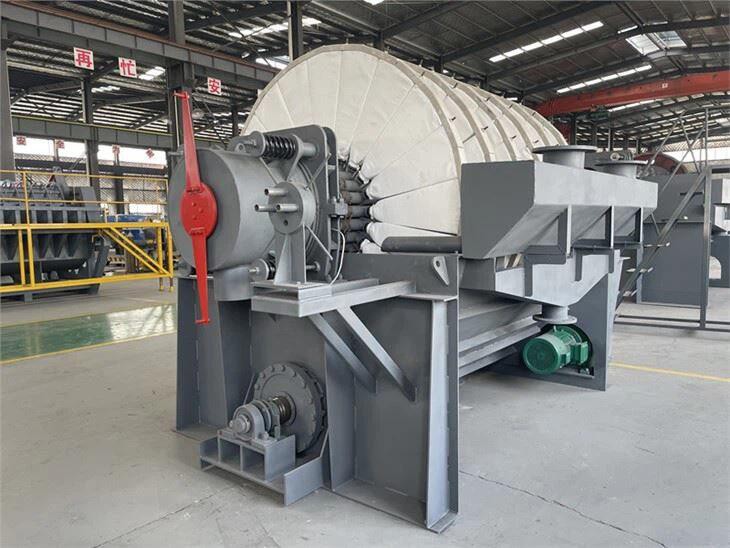
Unidirectional ceramic filters are commonly used in applications where there's a need for precise filtration without risk of contamination re-entering the system, such as in fuel lines, hydraulic systems, water treatment plants, and industrial processes requiring high purity levels. They often feature an anti-clogging design, meaning they are less prone to becoming blocked over time, thus maintaining their efficiency throughout their operational lifespan.
Difference Between Unidirectional Ceramic Filter and Bidirectional Ceramic Filter
Different functions
Unidirectional ceramic filters only have the function of verifying input data, and cannot filter and encrypt output data. Bidirectional ceramic filters have the functions of filtering and encrypting both input and output data.
Different processing timing
Unidirectional ceramic filter data verification of the input request processing time is before the request reaches the server, while the bidirectional ceramic filter on the input request and output response at the same time for data filtering and encryption.
Different security
Since the one-way ceramic filter can not filter and encrypt the output data, so the security is relatively low, vulnerable to XSS, CSRF and other attacks. The two-way ceramic filter can encrypt the output data to prevent hacking.
Ceramic water filters work by allowing water to flow through the millions of tiny pores on the casing of the ceramic cartridge. These pores, one-half micron in size, trap impurities as the water passes through them. The inside of the filter is a convoluted maze of sharp angles designed to catch any particles that have penetrated the exterior surface. Because of the minute size of the pores and complexity of the filter, the water percolation through a unbidirectional ceramic filter is very fine particulate filtration, eliminating a host of contaminants like bacteria and sediment.
This system of filtration imitates part of the Earth’s natural water purification process. Just as water from aquifers seeps through layers of rock in the earth’s surface as it makes its way to streams, the water in a unbidirectional ceramic filter permeates natural media to rid itself of impurities.
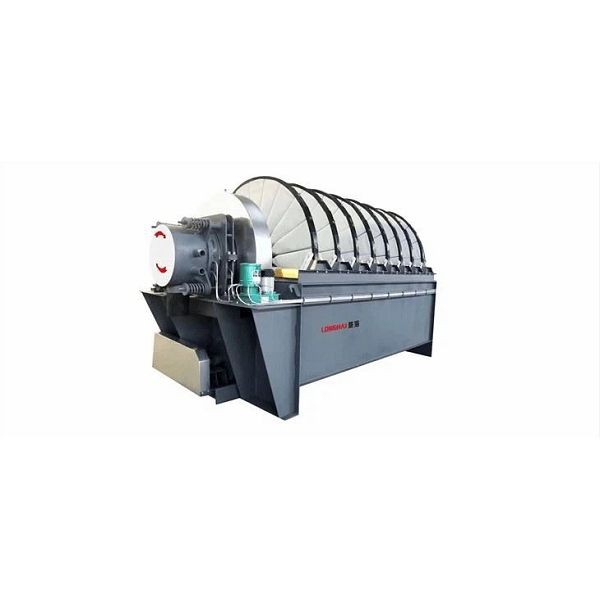
What Does a Unbidirectional Ceramic Filters Remove?
Bacteria: Unbidirectional ceramic filters are quite effective at removing bacteria from water. Few bacteria are smaller than one micron in size. Unable to pass through the pores, the bacteria are filtered out as the water seeps through the unbidirectional ceramic filter. unbidirectional ceramic filters rid water of about 99% of pathogenic bacteria, including E. coli, shigella, and salmonella. Microbial cysts, such as Giardia and Cryptosporidium, are also too large to pass through the filters and are easily removed by the ceramic shell. The silver ion impregnation makes ceramic filtration especially advantageous to those with microbiologically unsafe drinking water. Silver ions are toxic to bacteria, further nullifying bacterial contaminants and preserving the cleanliness of the filter’s surface.
Sediment: Particulate matter like dirt, debris, and rust is effectively filtered out by the unbidirectional ceramic filter’s porous surface.
Turbidity: Turbidity is cloudiness caused by suspended particles in the water. This turns your water unappetizing shades of yellow and brown. unbidirectional ceramic filters adeptly remove the murky coloration from water and restore its clarity.
Chlorine (if filter contains activated carbon): Chlorine is present in most city water because it is used in the municipal purification process. Chlorine leaves water with a bitter chemically taste and an unpleasant smell. The activated carbon reduces both chlorine and chloramines in water, restoring your water’s fresh flavor.
VOCs (if filter contains activated carbon): Volatile organic compounds, or VOCs, include a wide array of chemical contaminants that make their way into water by way of everything from agricultural runoff to consumer products like paints and pesticides. These compounds are all carbon-based, and unbidirectional ceramic filters with carbon cores will greatly reduce the levels of VOCs in your water.
Heavy Metals (if filter contains ion exchange resin): If the ceramic element contains an ion exchange resin, heavy metals like lead, mercury, copper, and zinc are greatly reduced in the water.
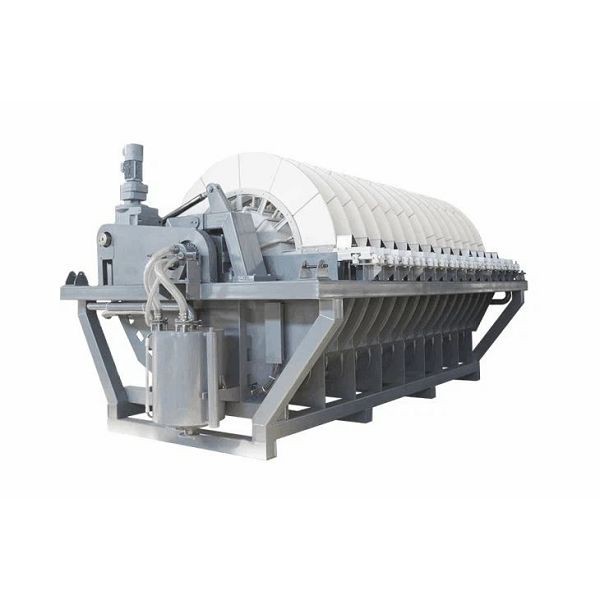
Though unbidirectional ceramic filters can be cleaned many times before requiring replacement, it is important to keep in mind that the internal components of the filter may have a shorter lifespan than the ceramic. Carbon media is exhausted much faster than ceramic, so, to maintain an effective filtration system, do not allow the filter to run past its rated capacity. If your ceramic cartridge contains no carbon, you can continue cleaning it until water no longer flows through it.
In most cases, unbidirectional ceramic filter candles are made with an internal activated carbon core. The carbon core increases the adsorption capabilities of the filter. The ceramic is also often impregnated with silver ions, giving the filter strong bacteriostatic and self-sterilizing properties. These silver ions repel bacterial growth, preventing mold and algae from developing on the surface of the filter. With a carbon core and silver-impregnated ceramic, you have a filter that can reduce a list of chemical contaminants as well as living organisms.
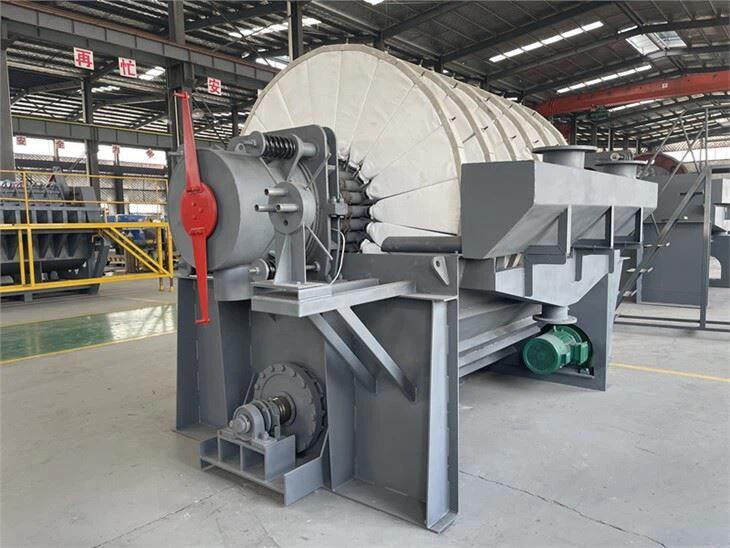
What Unbidirectional Ceramic Filters Don’t Remove
Minerals: Ceramic is a natural media filter and does not add anything to the water during the filtration process. It also does not filter out minerals like calcium and magnesium, meaning there is no need to pair the filter with a remineralizer if you want to preserve the mineral quality of your water. If you are primarily concerned with reducing water hardness, a unbidirectional ceramic filter is not going to be effective. Instead, look into a water softener.
Viruses: Viruses can be anywhere from .004 to .1 micron in size, making them difficult to remove by mechanical filtration alone. Though viruses often travel through water on larger particles that potentially could be removed by the ceramic membrane, a UV water purifier is a much better alternative for reducing viruses in your water.
TDS: Though it is great at reducing particles and organic matter, unbidirectional ceramic filters cannot remove dissolved particles. These total dissolved solids (TDS) are best addressed by a reverse osmosis system. However, this level of filtration is not needed by everyone, especially if you are predominantly looking for a simple point-of-use system to improve the quality and taste of water from your faucet. You should first conduct a water test to determine the extent of contaminants present in your water.
Unbidirectional ceramic filters can be used in under-sink installations, other point-of-use applications, or as portable filters you can take on camping trips or elsewhere. The most common application for ceramic water filters is point-of-use drinking water. Because of its 0.5 micron filtration, simple upkeep, and low cost, a unbidirectional ceramic filter makes an excellent countertop or under-sink filter in households. The gravity-fed filters can provide you with clean water in your kitchen and be taken on hiking and camping trips. If installed with the proper cartridge, you can pour stream water into the filter and make it drinkable. unbidirectional ceramic filters are also ideal for anywhere where space is limited, like an apartment or RV. A double open-ended unbidirectional ceramic filter can be inserted into any standard 10-inch water filter housing and used in conjunction with other filters, like a sediment filter or anti-scale filter.
How to Clean a Unbidirectional Ceramic Filter
One of the benefits of a unbidirectional ceramic filter is that it can be cleaned and reused many times. As water is filtered through the ceramic, the filtered contaminants build up on the exterior of the ceramic candle, clogging the porous surface, and causing the water flow to slow down or stop entirely. When you notice this happening, clean the unbidirectional ceramic filter by following the below steps:
Carefully remove the ceramic candle from the unit’s housing. Handle the candle gently, as ceramic is a fragile material and can crack if dropped.
Scrub the filter under running water or in a bowl of water with a clean plastic brush, toothbrush, or soft scouring pad. Avoid soaps, detergents, and rough materials like steel wool.These will render your filter unusable. Brush away from the threaded mount to avoid contamination. You may consider covering the mount with plastic to protect it.
After checking to ensure the sealing’s washer is properly seated, re-install the filter.
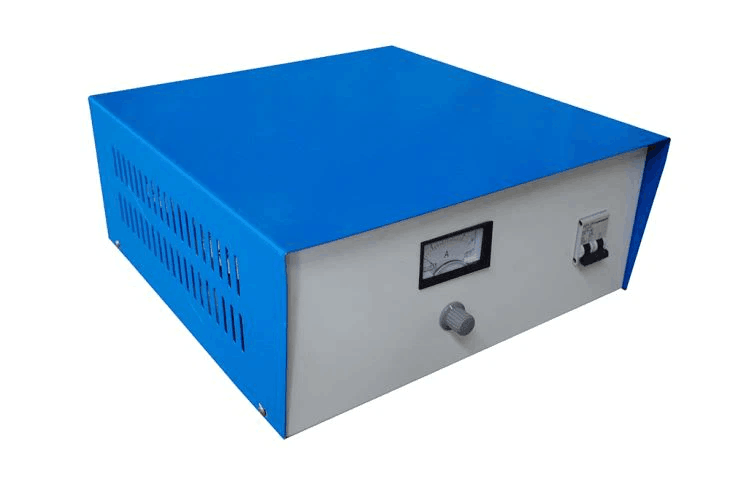
Sintered unbidirectional ceramic filters work well in gravity fed water treatment systems. They will eliminate sediment particulate and microbes to a substantial degree. But they can’t be counted on to completely sanitize the incoming water. They will not remove chemical impurities nor make the water taste as good as it can when treated with an activated carbon filter.
They’re economical and they can be cleaned by scrubbing the outside and then re-used. They’re a reasonably good choice for homes in third world countries, and where inconsistent water pressure may lead one to want a gravity fed system to treat their drinking water.
Production Process of Unidirectional Ceramic Filters
Powder preparation process
Dielectric ceramic powder and additives according to a certain proportion of ingredients, after ball milling and mixing, drying and sieving, in the sintering furnace at high temperature for a certain period of time, to remove impurities in the powder, and then in the pre-sintered material to add monomers, crosslinking agents and solvents, etc., after the mill ball milling to obtain ceramic slurry, in the spray granulator atomization and drying, drying of particles that is good fluidity of the spherical pellets.
Ceramic powder formula is one of the key factors in determining the performance of the filter, but also the core competitiveness of ceramic dielectric filter companies, acid and alkali control is unreasonable, impurities, etc. will damage the quality of the powder, and ultimately affect the performance of the filter.
Dry molding
Dry compression molding is the granulation of good powder into the mold, through the indenter to apply pressure, indenter displacement in the mold cavity, transfer pressure, so that the powder particles in the mold cavity rearrangement deformation and compaction, the formation of ceramic billet with a certain strength and shape.
The denseness of the ceramic billet will affect the Q value of the filter, so the choice of pressure and holding time parameters for dry press molding is equally important.
Sintering
Blanks at high temperatures, with the extension of time, and finally become a hard polycrystalline sintered body with a certain microstructure, this phenomenon is called sintering. Sintering is to reduce the form of the body in the pores, remove impurities, enhance the combination between particles, improve mechanical strength of the process.
Improvement of the sintering process of ceramic dielectric filters can significantly affect the performance of ceramic filters, the sintering temperature and holding time are important control parameters that determine the grain size and density of the ceramic, which in turn affects the mechanical strength and polarization of the ceramic.
CNC machining
CNC machine tools are used for grinding to precise the dimensional accuracy of the ceramic dielectric substrate.
Metallization
Using chemical plating, spraying, sputtering, screen printing and other processes in the ceramic media substrate coated with silver, after the silver baking furnace burns silver, can use laser equipment to adjust the silver plating layer.
Assembly and commissioning
The ceramic dielectric substrate and other accessories such as PIN pins are assembled to test the passband bandwidth, insertion loss, etc. of the filter and debugging.
The debugging process of ceramic filters is complicated. Compared with traditional cavity filters which are debugged by adjusting the resonance rod, the debugging of ceramic filters can only be realized by grinding, and due to the irreversibility of ceramic grinding, the debugging of the product has become the key to improve the production capacity.
Unidirectional Ceramic Filter Operation
One-way ceramic filters are a commonly used filtration device for separating solid particles from liquids. The following is the general one-way ceramic filter operation method.
Preparation: Select the appropriate ceramic filter plate according to the filtration needs and clean it. Check all parts of the filter to ensure that the equipment is operating normally.
Introduce the liquid to be filtered into the material tank of the one-way ceramic filter through the guide pipe or pump.
Open the feed valve so that the liquid flows into the annular space between the filter plate and the pump.
Turn on the pump, the liquid passes through the pores of the filter plate, the solid particles are filtered on the surface of the filter plate, while the clean liquid passes through the filter plate and flows to the discharge valve.
Clean the filter plate regularly: When the surface of the filter plate is blocked by solid particles, the filter plate needs to be cleaned. Close the feed valve and stop the pump. Open the cleaning valve, use cleaning liquid or water to clean through the filter plate. When cleaning, the particles on the filter plate can be rinsed off by pressurizing or backflushing.
After cleaning, close the cleaning valve and open the feed valve and pump to resume filtering operation.
When the filtration speed of the liquid slows down obviously, it may be that the filter plate is blocked or the pressure drops, so it is necessary to stop the filtration operation and clean or replace the filter plate.
After the filtration operation is completed, close the feed valve and pump, and close the discharge valve. Empty the liquid in the filter.
Our factory
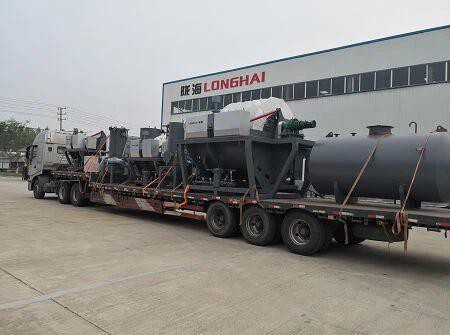
Lianyungang Longhai Mining Machinery Manufacturing Co., Ltd. began in 1996, formerly known as Lianyungang Longhai mining machinery manufacturing factory. Since 2006, it has introduced foreign capital and changed its name to Lianyungang Longhai Mining Machinery Manufacturing Co., Ltd. (hereinafter referred to as "Longhai mining machinery"). First engaged in the production and sales of small beneficiation equipment such as magnetic separators. Vacuum filters have been produced since 1999. Cylindrical vacuum filter, disc vacuum filter (plastic plate, filter cloth and filter medium). Since 2005, we have seen that many fine-grained concentrates and tailings in the mine beneficiation industry need to be dehydrated, the aperture of the filter cloth of the disc filter is too large, and the filtered fine-grained ore is easy to stick to the surface of the filter cloth or penetrate. In addition, the filtrate is too turbid and does not meet the discharge standard, so we began to produce a ceramic vacuum filter with a higher degree of automation. The filtrate is clear, the filterable material particles can reach 325 mesh, the water content is lower, and the degree of automation is higher, Lower power consumption.
FAQ
As one of the most professional unbidirectional ceramic filter manufacturers and suppliers in China, we're featured by quality products and competitive price. If you're going to buy cheap unbidirectional ceramic filter made in China, welcome to get quotation from our factory.