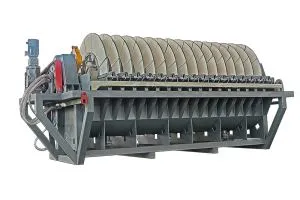
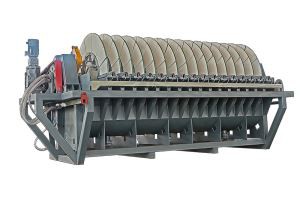
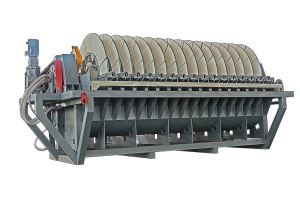
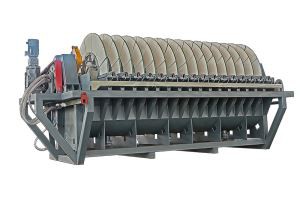
Q: What is a bidirectional ceramic filter?
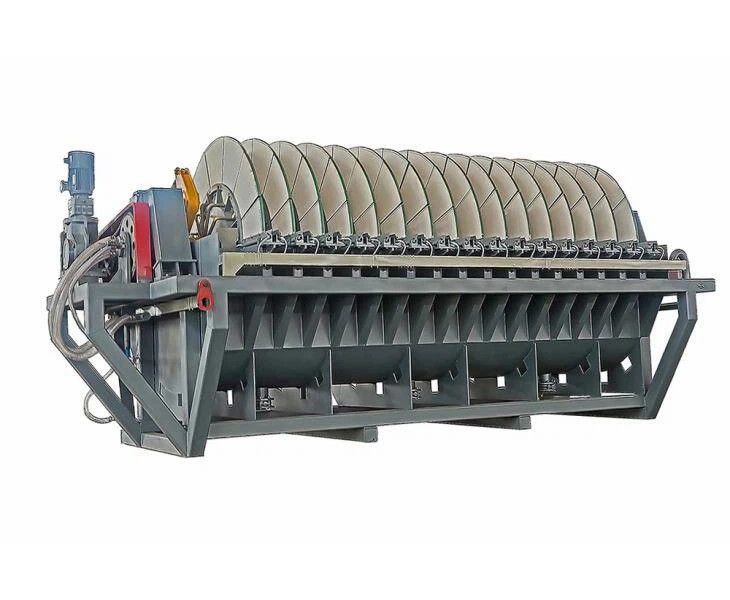
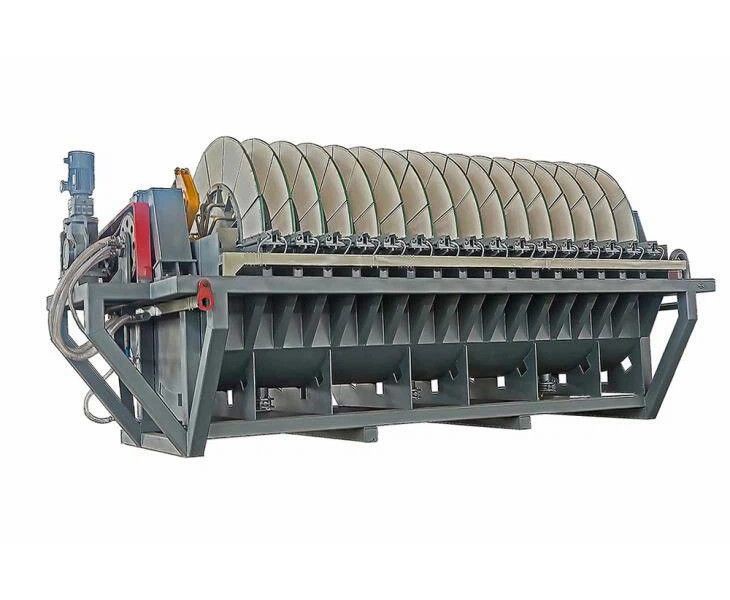
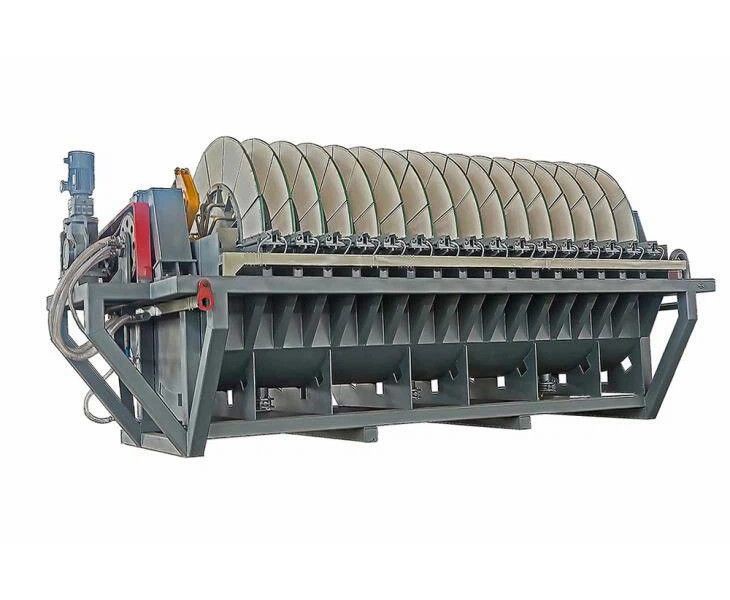
A: A bidirectional ceramic filter combines the features of a ceramic filter and a bidirectional filter, using ceramic material as the filtration medium, which can effectively remove contaminants in fluids or gases in both forward and reverse flow directions.
Q: Why choose a bidirectional ceramic filter over a conventional one?
A: These filters offer operational flexibility, allowing for continuous filtration regardless of flow direction changes, preventing backflow contamination in systems with reversing fluid flows, and reducing the need for multiple filters in such applications.
Q: How do bidirectional ceramic filters work?
A: They utilize a ceramic element with a porous structure that traps particles while allowing fluid to pass through. The bidirectionality is achieved through a design that maintains effective filtration performance independent of the direction of flow.
Q: What are the advantages of ceramic materials in filtration?
A: Ceramics provide high temperature resistance, chemical stability, mechanical strength, and a long service life, making them ideal for harsh industrial environments and demanding fluid purification processes.
Q: In what industries are bidirectional ceramic filters commonly used?
A: They find applications in chemical processing, petrochemicals, wastewater treatment, food and beverage, pharmaceuticals, and any industry requiring robust, reliable, and bidirectional fluid filtration.
Q: How does the cleaning or regeneration process work for a bidirectional ceramic filter?
A: Cleaning typically involves backwashing with reverse flow and/or chemical cleaning agents, depending on the level of fouling and the type of contaminants. The bidirectional capability allows for efficient cleaning without disassembly or flow direction change.
Q: Can bidirectional ceramic filters handle high pressure and high flow rates?
A: Yes, ceramic filters are known for their ability to withstand high pressures and handle substantial flow rates, making them suitable for high-pressure applications and large-scale filtration systems.
Q: How do you determine the appropriate pore size for a specific application?
A: Pore size selection depends on the target particle size to be removed, fluid viscosity, required flow rate, and desired level of filtration efficiency. Consulting manufacturer specifications and conducting performance tests can help determine the optimal pore size.
Q: Are bidirectional ceramic filters customizable?
A: Many manufacturers offer customization options, such as different ceramic materials, pore sizes, housing configurations, and connection types to meet specific process requirements and integration needs.
Q: How often should a bidirectional ceramic filter be maintained or replaced?
A: Maintenance frequency depends on factors like operating conditions, fluid quality, and usage patterns. Regular monitoring of differential pressure, flow rate, and filtrate quality can help identify the need for cleaning or replacement.
Q: What is the typical lifespan of a bidirectional ceramic filter element?
A: Lifespan varies depending on factors such as operating conditions, maintenance practices, and the quality of the ceramic material. Properly maintained elements can last several years or more in some applications.
Q: Can bidirectional ceramic filters handle both liquid and gas filtration?
A: Yes, ceramics can effectively filter both liquids and gases, depending on the specific filter design and pore size. They are versatile and can be used in multi-phase filtration applications.
Q: Are there any limitations or compatibility issues with certain chemicals or fluids?
A: While ceramics are highly chemically resistant, there may be compatibility concerns with extremely aggressive media or specific chemicals. Always consult the manufacturer's chemical compatibility chart before using the filter with unfamiliar substances.
Q: How do bidirectional ceramic filters compare in terms of cost versus other filtration technologies?
A: Initial costs may be higher than some alternative filter types due to the use of advanced ceramic materials. However, their long lifespan, low maintenance requirements, and high efficiency often result in lower lifecycle costs.
Q: Can bidirectional ceramic filters be integrated into existing filtration systems?
A: In many cases, yes, provided the system can accommodate the necessary connections, pressure ratings, and flow characteristics. Consultation with the manufacturer or a filtration expert can ensure proper integration.
Q: How do you measure the effectiveness of a bidirectional ceramic filter?
A: Key performance indicators include particle retention rate, filtrate quality, flow rate, and pressure drop across the filter. Periodic testing and monitoring these parameters can assess filter effectiveness and identify any decline in performance.
Q: Are bidirectional ceramic filters suitable for sterile or aseptic processes?
A: Depending on the design, materials, and manufacturing standards, some bidirectional ceramic filters can meet the stringent requirements for sterile or aseptic applications, such as those found in the pharmaceutical and biotech industries.
Q: Can bidirectional ceramic filters be used for hot or cold fluids?
A: Yes, ceramics have excellent thermal stability, making them suitable for use with fluids at both elevated and sub-zero temperatures, within the specified operating range.
Q: What certifications or standards should a bidirectional ceramic filter comply with for specific industries?
A: Compliance may vary by industry and region, but common standards include NSF/ANSI, FDA, ISO, and ATEX, among others. Ensure the chosen filter meets the relevant regulations and guidelines for your application.
Q: Are there any special installation or handling precautions for bidirectional ceramic filters?
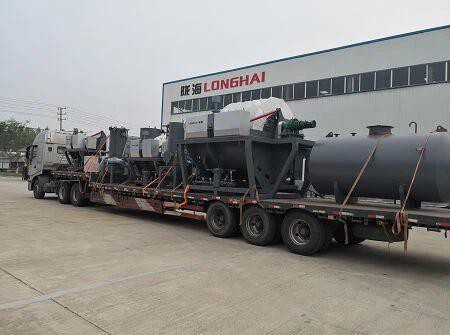
A: Filters should be handled with care to avoid damage to the ceramic element, particularly during shipping, storage, and installation. Follow manufacturer instructions for proper installation, including alignment, gasket placement, and torque specifications for connections.