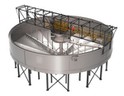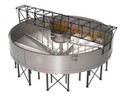


Basic overview of ceramic filter
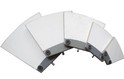
The ceramic filter element has unique functions such as acid and alkali resistance, high temperature resistance, and corrosion resistance. It has been listed as the first choice for the recycling of recycled water in oil, sludge and heavy metal industrial wastewater in this century. It plays a highly efficient and energy-saving role in metallurgy, ultrasound, and groundwater filtration, and is hailed as a membrane product for the water treatment revolution in the 21st century. According to related research, the gradient ceramic membrane with an average pore size of 0.15μm can filter out 100% of pathogenic bacteria such as E. coli, Salmonella, Staphylococcus and mold in the water, as well as rust, red worm and various suspended particles. Through simple mechanical cleaning, the flux can be completely recovered, and the deep pollution without membrane and pore clogging can effectively prevent the re-contamination of purified water. The double control membrane ceramic filter element with a filtration accuracy of 0.1 μm has a longer life. Generally, the filter element must ensure a certain wall thickness to achieve the purification function, and the double control membrane filter element can break through the limit that must ensure a certain thickness.
Previous: Ceramic filter water purification principle
Next: Ceramic filter
Related Industry Knowledge
- How the filter works
- Introduction to filters
- Ultrasonic power supply overview
- Ultrasonic power classification
- Working principle of ultrasonic pow...
- Ultrasonic power supply
- Ceramic filter product features
- Ceramic filter life and cleaning
- Ceramic filter water purification p...
- Ceramic filter
- Carrageenan character use range
- Carrageenan traits
- Xanthan gum properties use range
- Xanthan gum properties
- Use range of agar traits
- Agar trait
- Carboxymethyl fiber use range
- Carboxymethyl fiber
- Basic chemical composition of thick...